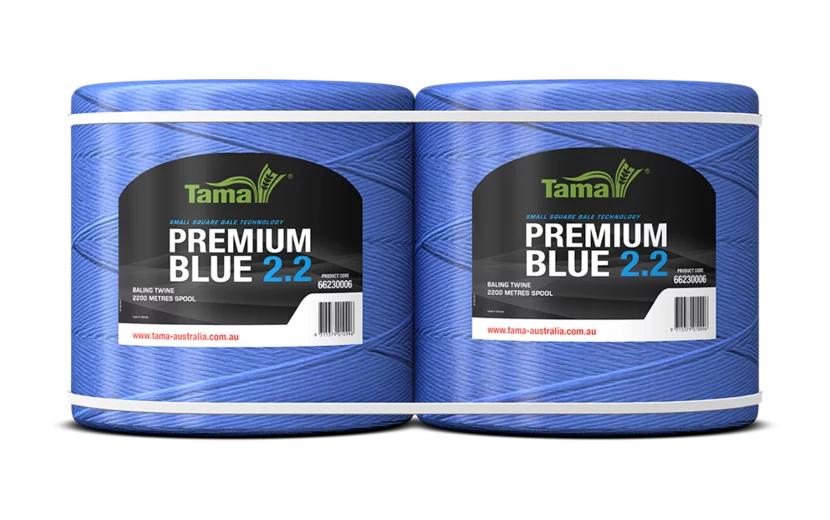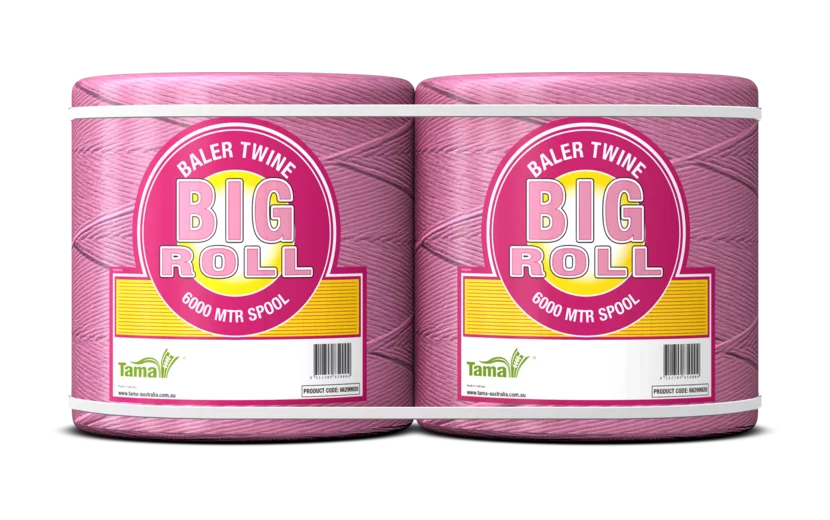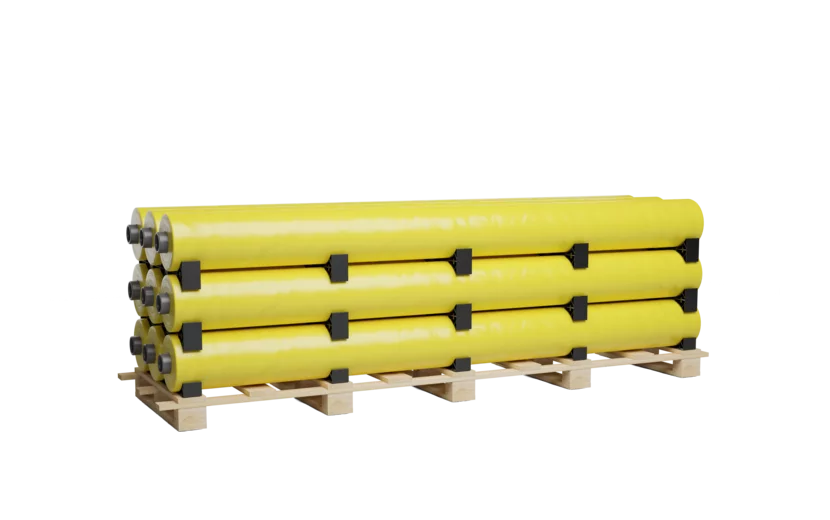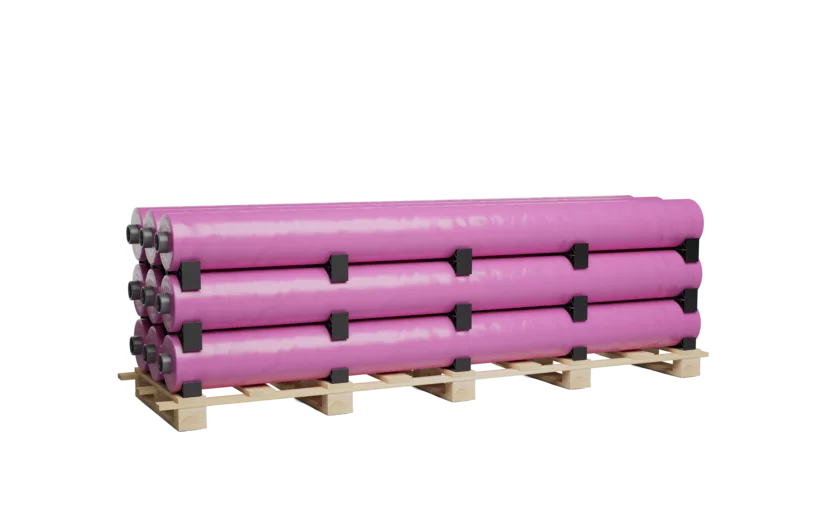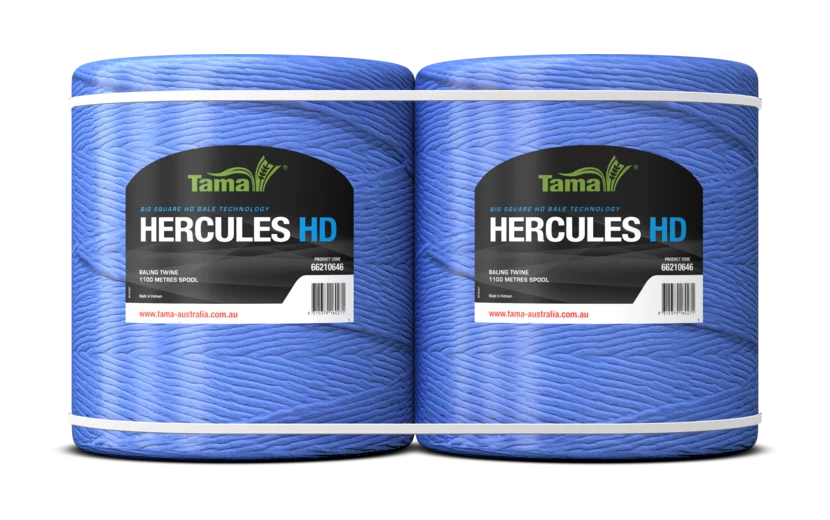
Tama Hercules HD Large Square

Length:
2,200 M

Engineered with high knot strength and consistent reliability, this premium twine thrives in high-density baling environments. Each 1100m spool is UV-stabilised for maximum durability under the harsh Australian sun and long-term storage. Supplied in convenient 2-spool packs, Hercules HD delivers the strength, length, and peace of mind serious hay producers demand.

Specifications

Product Name Color Length Selling Unit Units per Pallet
Tama Hercules HD Large Square
BLUE
2,200 M
Pack
24
Product Name
Color
Length
Selling Unit
Units per Pallet
Tama Hercules HD Large Square
BLUE
BLUE
2,200 M
2,200 M
Pack
Pack
24
24

2 Products


Locate the nearest professional

Choose your category and State

Western Australia Northern Territory Queensland South Australia Northern NSW Southern NSW NV WV EV Tasmania
Results (0) View All Experts

More ways we can assist

Service request Icon

Service request

Knowledge Center Icon

Knowledge Center

Training Icon

Training

Field experts Icon

Field experts

Questions about Twine?

We’ve got the answers

Questions about

Twine Baling Tips
Large Square Baling
Very careful attention should be paid to the bale pressure, depending on the type and condition of the crop being baled. During periods of extended dry and hot weather, for instance, straw bales may be noticeably lighter than during normal conditions, with the baler set to the same bale pressure setting.
In these circumstances, a decrease in pressure setting will overcome this; or, alternatively, a move to the next heavier twine is recommended.
For baling good quality large square silage bales, it is important to follow a few simple guidelines:

Ensure the crop has wilted to a minimum of 40 – 50% dry matter (DM), which will produce well-formed bales as well as excellent fermentation.
Ensure the twine box tension is reduced as much as possible, as twine friction experienced between silage bales during baling is much greater than between straw bales.
Eliminate as much air as possible from the crop when baling, as it is essential that sufficient crop is packed into the top of the bale to avoid misshapen bales being formed, which may be difficult for an automatic bale-wrapper to handle properly. A reduction in forward speed will help to achieve this by increasing the number of wads per bale.
Skip to content